

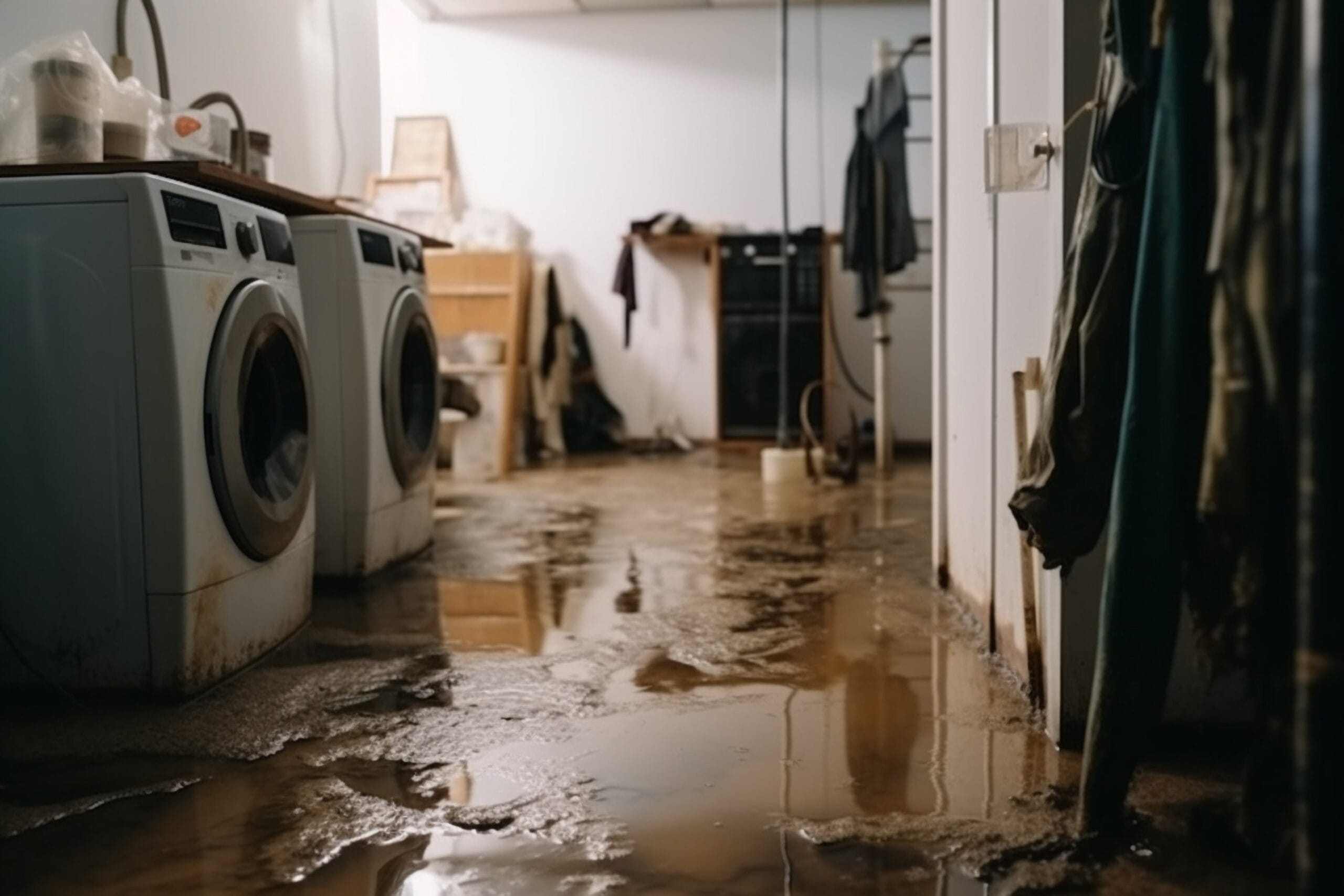
Water damage restoration stops the source, extracts standing water, dries and monitors affected materials, cleans the area, and repairs damage. Fast action can limit structural deterioration, mold growth, and the amount of material that must be replaced.
Last updated: July 30, 2026
During a water damage restoration project, professionals extract water, dispose of damaged items, dry the area, treat for signs of mold, and work to restore everything back to its rightful place. Learn more about this process, why it’s so important, and how to prevent future water damage.
What Is Water Damage Restoration?
It’s the first heavy rainstorm of the year, and you suddenly hear an ominous sound coming from the basement: water is streaming in from the window wells with no sign of stopping. What do you do? And how do you address the resulting damage?
In an emergency situation like this, the first step is water mitigation. You must find a way to stop the water from entering the home, either on your own or with the help of a professional. This is where sump pumps, industrial fans, and dehumidifiers come into play.
Once the water source has been cut off, a water damage restoration company can begin repairing and restoring the area to its former condition.
Other common events that warrant water damage restoration include burst pipes, roof leaks, natural disasters, clogged drains, and HVAC complications.
Why Is Fast Restoration Important?
Even if the damage to your home seems inconsequential, water damage should always be assessed by a professional right away. Mold can grow out of sight, wooden joists can rot beneath your flooring, and there may be other underlying structural damage you’re unaware of.
Without water damage restoration services, you risk leaving health hazards unchecked and may need to make costly repairs in the future.
Professionals protect your home and family by erasing signs of water damage and treating areas for mold right away.
Water damage in your property? Call (801) 676-3500 for 24/7 water damage restoration.
What Happens During Water Damage Restoration?
Once you’ve called a professional or worked with your insurance to schedule an assessment, you can expect most restoration companies to show up promptly. The longer water damage sits unattended, the worse it can get. In general, the water restoration process can be broken down into five steps:
- Water Removal:
First, the water damage restoration company will extract any standing water using pumps and specialty vacuums. Sometimes, a water mitigation team completes this step before the restoration company arrives. If the water has already been removed, they can begin assessing immediately.
- Inspection and Assessment:
Once the area is free of excess water, professionals will determine the extent of the damage. This may involve cutting into drywall, pulling up carpet, and other explorative measures.
- Drying and Dehumidifying:
The water restoration company you work with will likely set up large fans and dehumidifiers to fully dry out the affected area. Ensuring the area is thoroughly dried will prevent mold from growing or spreading.
- Cleaning and Sanitizing:
When water comes in from outside, it can bring dirt, germs, and pathogens with it. Water restoration professionals ensure the area is free of contaminants and ensure safe living conditions, including throwing out unsalvageable items.
This step also addresses mold. Professionals use industrial-strength disinfectants to kill mold instantly and prevent it from growing.
- Repairs and Restoration:
Once everything is clean and cleared out, the company can rebuild or repair damaged areas to restore the home. Depending on the severity of your water damage, this step could take an hour or several weeks to complete.
What Are the Three Categories of Water Damage?
Clean Water Damage:
Clean water damage refers to non-contaminated water sources—think broken pipes, overflow in a bathroom or a rainwater leak. This is also called “category 1 damage.”
Gray Water Damage:
Gray water damage, or category 2 damage, comes from appliances or other non-potable water sources. Dishwashers, HVAC units, and even an overflowed toilet with urine in it can be classified as gray water damage.
Black Water Damage:
Category 3 damage, also known as black water damage, is caused by contaminated water. Sewage, floodwaters, and bacteria-filled stagnant water all create unsafe living conditions.
How Can You Prevent Future Water Damage?
No one wants to deal with water damage restoration. in an Ideal World, these companies would rarely receive any calls. Unfortunately, home ownership and mother nature are very unpredictable. at the same time, there are preventative measures you can take to avoid water damage.
Be sure to stay on top of regular home maintenance:
- Inspect pipes, both inside and outside the home, once every year or two
- Seal windows with weatherproof caulking when you notice holes or gaps
- Have your HVAC unit inspected annually by a professional
- Clean out your rain gutters seasonally
- Keep your yard clear of excess debris and green waste
You can also install water alarms or sump pumps for added protection.
Why Choose Certified Disaster Services?
When water enters our homes, the damage can be severe. With a trustworthy water damage restoration company like Certified Disaster Services, You can rest easy knowing your home will be restored to its rightful state in no time.
Contact us to learn more about our disaster services. We’re ready to help and provide a thorough estimate for any damage to your home.
Water Damage Restoration Frequently Asked Questions
What does restoration include?
It typically includes source control, extraction, material removal, drying, monitoring, cleaning, and repairs.
What should you do first?
If safe, stop the source, avoid contamination and electrical hazards, document damage, and call professionals.
How long does restoration take?
Timing depends on the source, materials, area size, drying conditions, and repairs.
How are mitigation and restoration different?
Mitigation limits further damage; restoration includes repair and rebuilding.
Can water damage cause mold?
Yes. Prompt drying and moisture monitoring help reduce mold risk.
Is all water handled the same way?
No. Clean, gray, and black water require different safety procedures.
Does insurance cover water damage?
Coverage depends on the policy and cause. Confirm details with the insurer.
How much does restoration cost?
Cost depends on area size, water category, drying time, materials, and repairs.
Need professional restoration help? Learn about Certified Disaster Services’ water damage restoration services or call (801) 676-3500 for 24/7 assistance.


