
Last Updated: September 2026
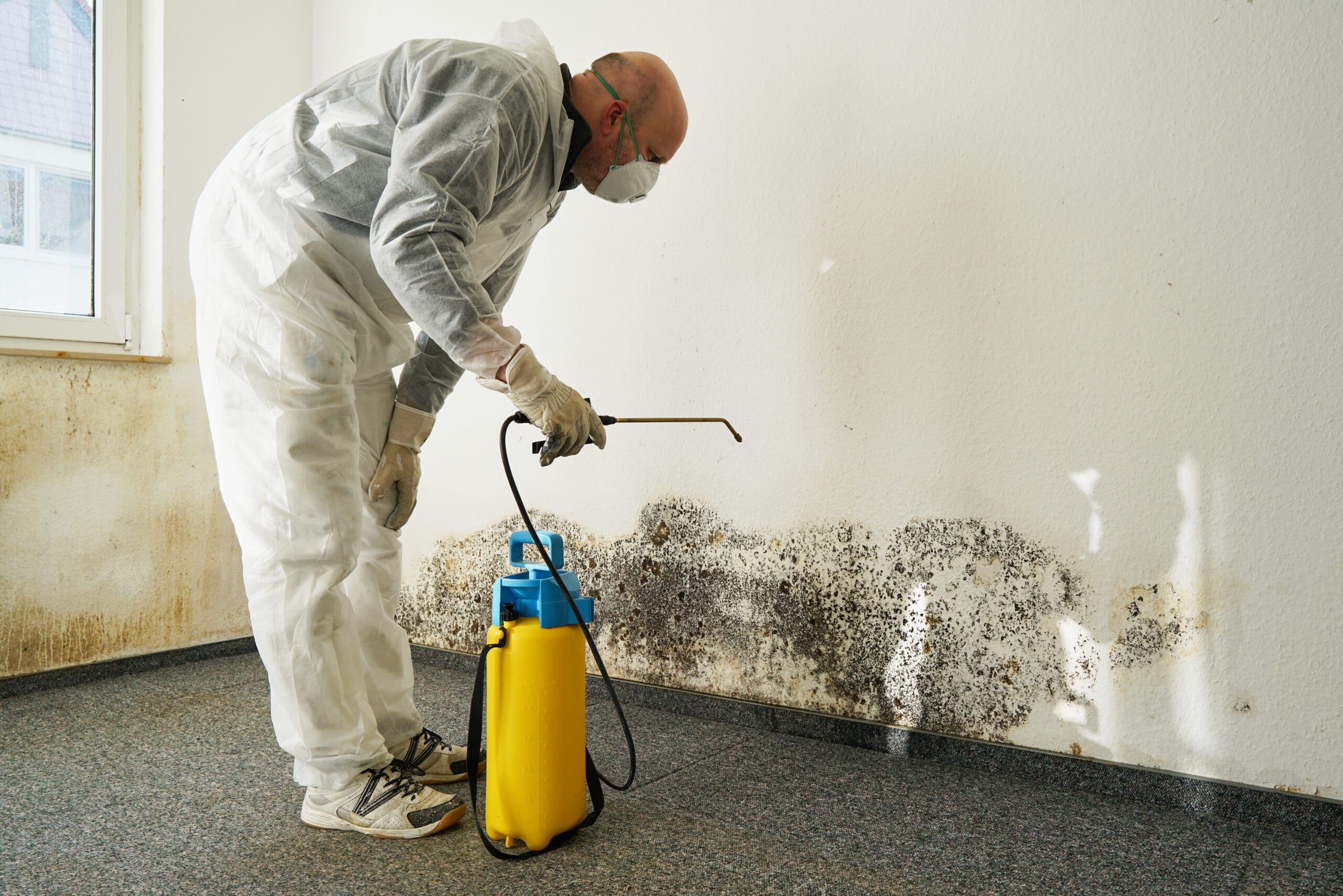
Professional mold remediation finds and stops the moisture source, contains the work area, removes contaminated materials, cleans and treats surfaces, dries the structure, and verifies air quality so mold does not keep spreading. Wiping visible spots is not remediation – without moisture control and containment, growth often returns. Certified Disaster Services provides inspections and full mold remediation across Utah.
This guide is the step-by-step protocol – contain, remove, clean, dry, verify – so you know what a complete job includes. For Utah timing and recurrence tips, see Mold Season in Utah and Does Mold Come Back After Remediation. Need an inspection? Call (801) 676-3500 or review our mold remediation services.
What is the difference between mold removal and mold remediation?
Mold removal usually means cleaning or cutting out what you can see. Mold remediation is a fuller protocol: stop the water source, contain the work area, remove contaminated materials, clean and sanitize remaining surfaces, dry the structure, and confirm the environment is under control.
CDS performs remediation so the problem is addressed at the source – not just wiped off a wall. That distinction matters for basements, wall cavities, and HVAC paths where spores travel beyond the first stain you notice.
How does mold remediation work step by step?
A professional remediation job typically follows this sequence:
- Find and stop moisture. Locate leaks, condensation, or wet materials and shut off the source. Drying without stopping water only resets the clock.
- Contain the work area. Seal openings and use negative air pressure where needed so spores do not migrate into clean rooms during demolition and cleaning.
- Remove contaminated materials. Cut out porous materials that cannot be cleaned – such as heavily colonized drywall, insulation, or carpet pad – instead of painting over them.
- Clean remaining surfaces. HEPA vacuuming and thorough cleaning of non-porous and salvageable materials in the contained zone.
- Dry the structure. Dehumidifiers and air movers bring moisture readings down to safe targets before finishes go back up.
- Verify air quality. Air quality checks help confirm the environment is under control before restoration and rebuild.
- Restore and repair. Replace removed materials and finish the space once moisture and air checks clear.
That sequence protects occupants and keeps spores from spreading into clean rooms during the job. Details of the hire-us conversion path live on our mold remediation page.
Why does containment and negative air matter?
Disturbing mold without containment can push spores into HVAC returns, closets, and upstairs rooms that were never wet. Negative air pressure pulls air inward through filters so the work zone does not pressurize dirty air into the rest of the house.
Skip containment on a multi-room or cavity job and you can turn a localized problem into a whole-house problem. Proper barriers and pressure control are part of remediation – not optional extras.
What materials get cleaned vs removed?
Non-porous surfaces (metal, hard plastic, sealed finishes) can often be cleaned. Porous materials that stay wet or show deep colonization – drywall, insulation, carpet pad, some framing wraps – are usually removed. Soft goods and contents may need cleaning, discard, or pack-out depending on how far growth traveled.
A written scope should separate salvage from replacement so insurance documentation stays clear. Painting over active growth without moisture control is not a fix.
Why dry and verify before rebuild?
Rebuilds that start over damp framing or unfinished cavities often see mold return. Moisture meters and drying equipment bring materials to target readings first. Air quality verification after cleaning helps confirm the space is ready for new finishes.
If the original water event was a flood, sewer backup, or long leak, pair this protocol with emergency drying guidance on our water damage restoration page. Mold season timing for Utah is covered separately in Mold Season in Utah.
How do basement and black-mold scenarios fit in Utah?
Wasatch Front basements see sump failures, foundation seepage, and condensation that feed growth behind finishes. Dark staining on walls or HVAC odor after a water event is a signal to inspect cavities – not just wipe the surface.
Color alone does not diagnose species or health risk. What matters for the protocol is moisture control, containment, material decisions, and verification. For recurrence after a prior job, see Does Mold Come Back After Remediation.
Mold remediation FAQ
What is mold remediation?
Mold remediation is the professional process of finding and stopping the moisture source, containing contaminated areas, removing mold-damaged materials, cleaning and treating surfaces, drying the structure, and verifying air quality so mold does not keep spreading.
What is the difference between mold removal and mold remediation?
Mold removal usually means cleaning or cutting out what you can see. Mold remediation is a fuller protocol: stop the water source, contain the work area, remove contaminated materials, clean and sanitize remaining surfaces, dry the structure, and confirm the environment is under control.
How does mold remediation work step by step?
CDS starts by locating moisture, containing the area with negative air pressure where needed, removing mold-contaminated materials, thoroughly cleaning surfaces, drying the structure, and verifying results with air quality checks before rebuild.
How long does mold remediation take?
Small contained areas may finish in a few days. Larger cavity or multi-room jobs can take one to several weeks depending on demolition, drying targets, and rebuild scope. Your written estimate should outline the timeline for your property.
How much does mold remediation cost in Utah?
Cost depends on square footage affected, how far mold traveled into cavities, whether materials must be removed, and drying or rebuild needs. CDS provides a free inspection and a written scope before work starts so pricing is tied to what the property actually needs.
Is mold remediation covered by insurance?
Coverage depends on the cause of the moisture and your policy. Sudden and accidental water events are more often covered than long-term neglect. CDS documents the source and scope to support the claim conversation with your adjuster.
When should I call a professional for mold?
Call a professional if mold covers more than a small surface, keeps returning, followed a flood or leak, is in HVAC or wall cavities, or if anyone in the home has breathing symptoms near damp areas. DIY scrubbing is not enough when moisture is hidden.
Can mold come back after a proper remediation protocol?
It can if moisture returns. A proper protocol lowers that risk by stopping the source, containing the work, removing what cannot be cleaned, drying to target, and verifying results. Ongoing leaks or high humidity can still restart growth – fix moisture first.
Start a mold remediation inspection
Mold remediation is a sequence: stop moisture, contain, remove, clean, dry, verify, then restore. If you are seeing growth after a leak or in a Utah basement, call Certified Disaster Services at (801) 676-3500 for a free inspection, start with our mold remediation page, or read Does Mold Come Back After Remediation and Mold Season in Utah for supporting context.