

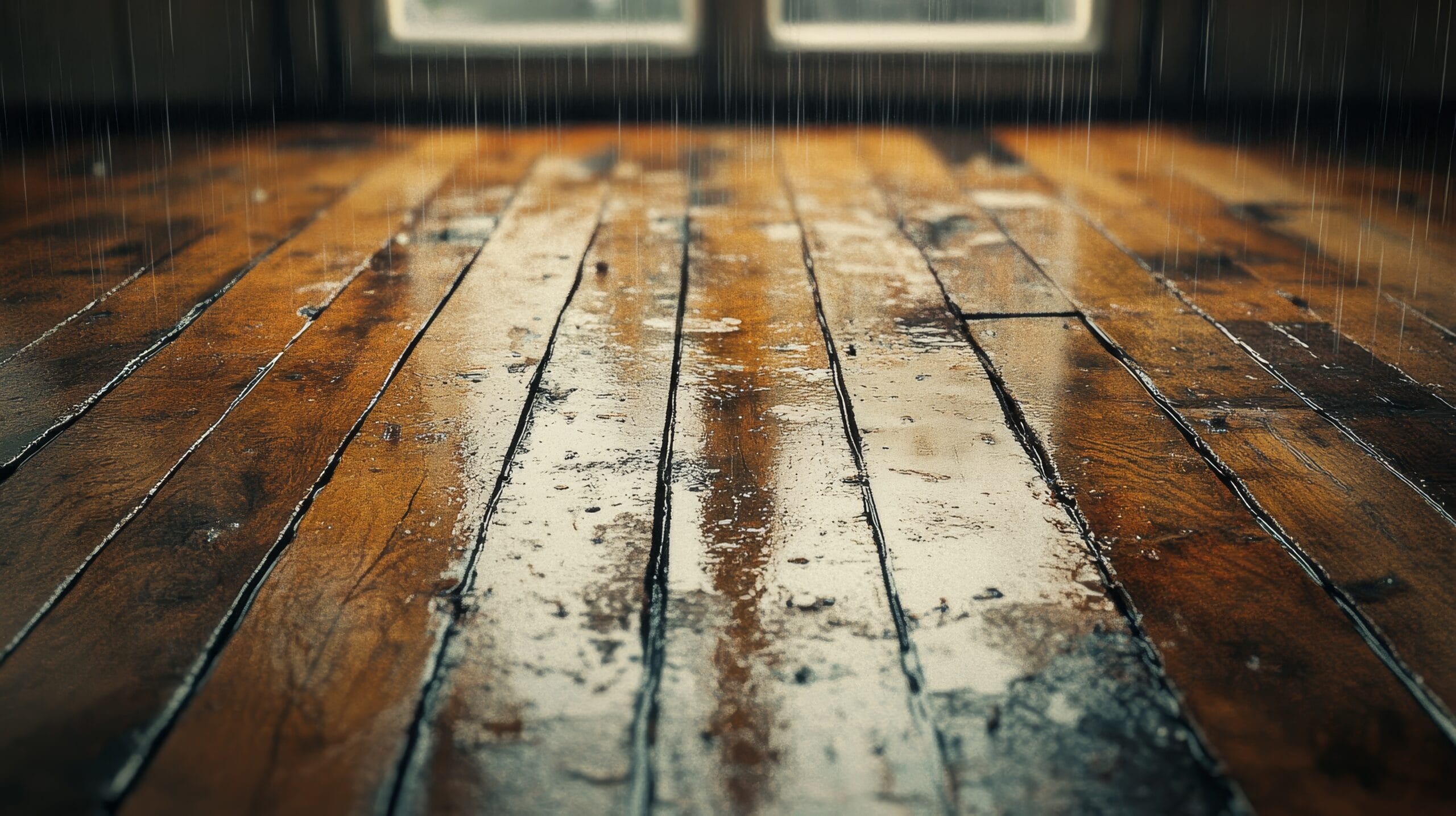
Water-damaged wood may be restorable when damage is limited to staining, minor swelling, or surface warping and the wood can dry completely. Structurally weakened, contaminated, extensively moldy, or persistently wet wood should be evaluated before sanding or refinishing.
Last updated: July 30, 2026
How Severe Is the Water Damage?
Before beginning restoration, assess the severity of the damage. There are two main types of water damage on wood:
- Surface-level damage: This includes discoloration, minor swelling, or light staining.
- Deeper structural damage: Signs include warping, extensive swelling, mold growth, or soft spots in the wood.
Look for warning signs such as cracks, peeling paint, or a musty odor. If the damage is severe, with deep mold infiltration or structural weakening, it’s best to call a professional restoration service like Certified Disaster Services.
What Do You Need to Restore Water-Damaged Wood?
For a DIY restoration project, you’ll need the following supplies:
- Medium to fine-grit sandpaper
- Wood filler or epoxy
- Bleach or a mold treatment solution
- Fans or dehumidifiers
- Paint or wood stain
- Protective sealant
- Soft cloths, brushes, and general cleaning supplies
How Do You Dry Water-Damaged Wood?
The first and most crucial step in restoring water damaged wood is to ensure it is completely dry. Follow these steps:
- Improve ventilation – Open windows and doors to promote airflow.
- Use fans and dehumidifiers – Position them near the affected wood to speed up drying.
- Avoid direct heat – Do not use hair dryers or heaters, as they can cause further warping.
- Be patient – Drying can take several days, depending on the extent of the damage

How Should You Clean Water-Damaged Wood?
Once the wood is dry, it’s time to clean it properly:
- For light stains and dirt: Use a mild soap and water solution to wipe down the surface.
- For mold or mildew: Mix one part bleach with three parts water and scrub the area with a soft brush or cloth. Let it sit for 10-15 minutes, then wipe clean.
- Rinse and dry thoroughly to prevent additional moisture damage.
Not sure the wood is dry or structurally sound? Call (801) 676-3500 for professional water damage restoration.
How Do You Repair and Sand Damaged Wood?
Once the wood is clean and dry, you may notice imperfections like cracks, warping, or discoloration. Follow these steps to fix the damage:
- Fill cracks and holes – Use wood filler or epoxy to repair any gaps.
- Sand the surface – Using medium to fine-grit sandpaper, smooth out rough spots and remove water stains.
- Wipe away dust before moving on to the next step.
How Do You Restore the Wood Finish?
After sanding, restore the wood’s appearance by refinishing it:
- Re-stain or paint the wood to match its original look or try a fresh color.
- Apply a protective sealant to prevent future water damage and prolong the wood’s lifespan.
How Can You Prevent Future Water Damage?
To keep wood in good condition, follow these preventive measures:
- Use waterproof sealants on furniture and floors.
- Quickly address spills and leaks to prevent moisture buildup.
- Control indoor humidity using a dehumidifier, especially in damp areas.
- Use coasters, mats, or covers to protect wood furniture from liquid exposure.
When Should You Call a Restoration Professional?
If the damage is extensive, it’s best to consult experts. Certified Disaster Services has the knowledge, tools, and experience to handle severe water damage, especially when:
- The wood is structurally compromised.
- Mold growth is present.
- The damage covers large areas of flooring, walls, or furniture.
Our team specializes in professional restoration, ensuring your wood surfaces are safely and effectively repaired. Contact Certified Disaster Services today for expert assistance in restoring water damaged wood and protecting your home from future issues.
Frequently Asked Questions About Water-Damaged Wood
Can water-damaged wood be restored?
Often, yes. Minor staining or warping may be repaired, while rotten or weak wood may need replacement.
How do you know when wood is dry?
A moisture meter and comparison with unaffected wood are more reliable than touch.
Should you sand damp wood?
No. Dry the wood and stop the moisture source before sanding.
How do you remove water stains?
The method depends on the finish, wood type, and stain depth. Deep damage may require sanding.
Can mold grow on wet wood?
Yes. Address visible growth, musty odors, and recurring moisture before cosmetic repairs.
When should wood be replaced?
Replace wood that is rotten, unstable, contaminated, delaminated, or too distorted to repair.
Need professional restoration help? Learn about Certified Disaster Services’ water damage restoration services or call (801) 676-3500 for 24/7 assistance.


