

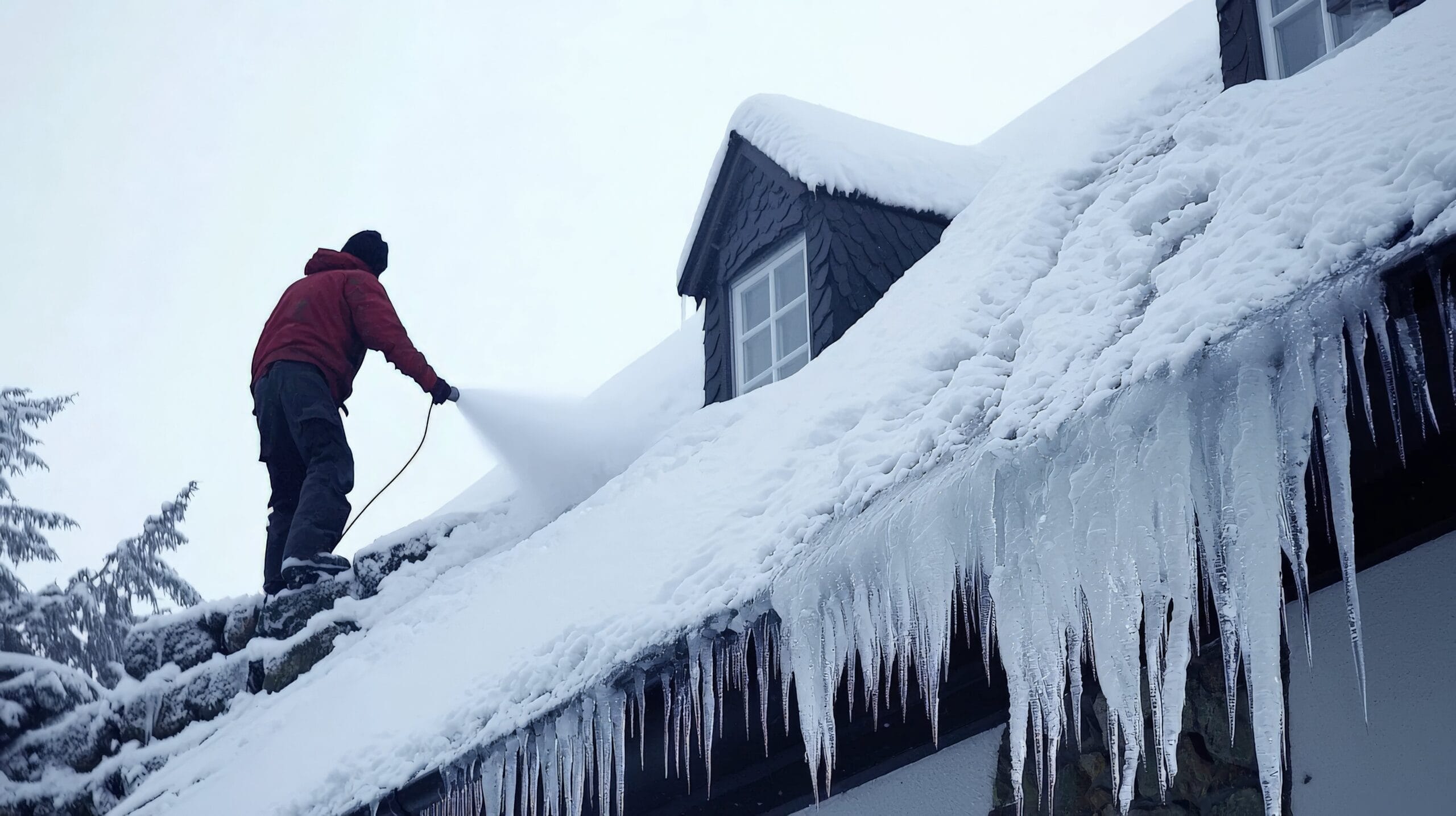
Utah winters can be unpredictable. One week brings light snowfall, the next brings heavy storms, freezing winds, and toppled trees. When a winter storm hits hard, the aftermath can leave homeowners overwhelmed and unsure of where to begin.
Certified Disaster Services helps families across Utah recover from the unexpected, from water intrusion and structural damage to fallen trees and power hazards. This guide walks you through the first steps to take after a severe winter storm to stay safe and protect your home from further damage.
1. Start With Safety First: What to Check Immediately
After a heavy snowstorm or wind event, safety should always come before cleanup.
Look for electrical hazards
- Avoid downed power lines and keep children and pets far away.
- Stay out of any areas where water may be touching outlets, appliances, or electrical panels.
- If you suspect electrical damage, shut off power at the main breaker, only if you can do so safely.
Watch for structural damage
- Snow loads can strain roofs and cause sagging or cracking.
- High winds can loosen siding, break windows, or shift structural elements.
- If a tree has fallen on your home, leave the property until professionals can assess stability.
Avoid climbing on the roof
Fresh snow and ice make roofs extremely unsafe. Roof checks and snow removal should be handled by trained professionals.
2. Assess The Damage: What Homeowners Should Look For
Once you’ve confirmed the area is safe, begin documenting what you see.
Roof damage
- Missing shingles
- Sagging areas
- Ice dams along the roofline
- Snow penetrating attic vents
Roof damage often leads to water intrusion, which can worsen quickly if not addressed.
Siding and exterior walls
Strong winds can rip off siding or force water behind it. Look for cracks, gaps, or sections that have pulled away from the home.
Windows and doors
Check for:
- Broken panes
- Damaged seals
- Drafts
- Moisture buildup between layers of glass
Even small breaches can let water and cold air inside.
Water intrusion inside the home
Signs include:
- Brown stains on ceilings
- Damp drywall
- Wet carpet or flooring
- Musty smells in basements or attics
These issues require fast action; water spreads quickly and often hides behind surfaces.
3. Recognize the Risk of Mold After Winter Storm Damage
Mold growth can begin within 24–48 hours when water enters a home through:
- A roof punctured by a fallen tree
- Cracks or holes caused by wind-driven debris
- Ice dams forcing meltwater beneath shingles
- Snow melting into attic insulation
In Utah’s cold climate, many homeowners assume mold can’t grow until spring. Unfortunately, moisture trapped behind walls or insulation creates the ideal environment regardless of outdoor temperatures.
Addressing water damage immediately helps prevent larger, more expensive problems, including structural deterioration and air quality issues.
4. When to Call a Professional Storm Restoration Company
Trying to handle major storm cleanup alone can be dangerous and may cause further damage. A qualified restoration company can safely remove hazards, prevent mold, and restore your home correctly.
Here’s what to ask before hiring one:
1. Do you offer 24/7 emergency response?
Storm damage rarely happens at convenient times. Certified Disaster Services arrives quickly to start mitigation immediately.
2. Are your technicians certified and insured?
Look for industry certifications in water damage restoration, structural drying, and mold remediation.
3. Do you handle both mitigation and rebuild?
Some companies only extract water or dry structures. You want a team that can repair, rebuild, and restore everything from drywall to flooring.
4. Can you work directly with my insurance?
Handling a claim after winter storm damage is stressful. A good restoration company will help document the damage, communicate with your adjuster, and make the process smoother.
5. Do you have experience with snow, wind, and tree-impact damage?
Winter storms cause unique problems, heavy snow loads, frozen materials, and temperature-related moisture issues require specialized expertise.
Certified Disaster Services brings decades of Utah-specific storm restoration experience, from emergency tarping and tree removal to full structural repair.
5. When You Need Help Fast, Certified Disaster Services Is Ready
Winter storms can cause hidden damage that worsens overnight. Whether you’re dealing with a fallen tree, a leaking roof, or water seeping down a wall, quick action protects your home and prevents long-term problems.
Our team provides:
- 24/7 emergency storm response
- Water extraction and structural drying
- Mold prevention and remediation
- Roof tarping and temporary structural stabilization
- Full-service repair and home restoration
We serve homeowners across northern Utah and bring decades of local experience to every storm cleanup project.
If a recent storm left damage behind, don’t wait. Call Certified Disaster Services today for fast, reliable winter storm cleanup and restoration.


