

Last Updated: April 2026
You may have water damage after a storm if you see stains, soft drywall, warped floors, musty odors, or damp insulation – even when the rain has stopped. Hidden moisture behind walls and ceilings is common on the Wasatch Front after wind-driven rain, roof runoff, and spring snowmelt, so a quick walkthrough (and a moisture check when anything looks off) protects your home.
This guide covers the signs Utah County and Salt Lake County homeowners miss most, how fast mold can start, and when to call Certified Disaster Services instead of relying on fans alone.
What are the signs of water damage in walls and ceilings?
Look for changes that were not there before the storm:
- Yellow, brown, or gray stains on ceilings or upper walls
- Bubbling, peeling, or blistering paint
- Soft, spongy, or crumbling drywall when pressed lightly
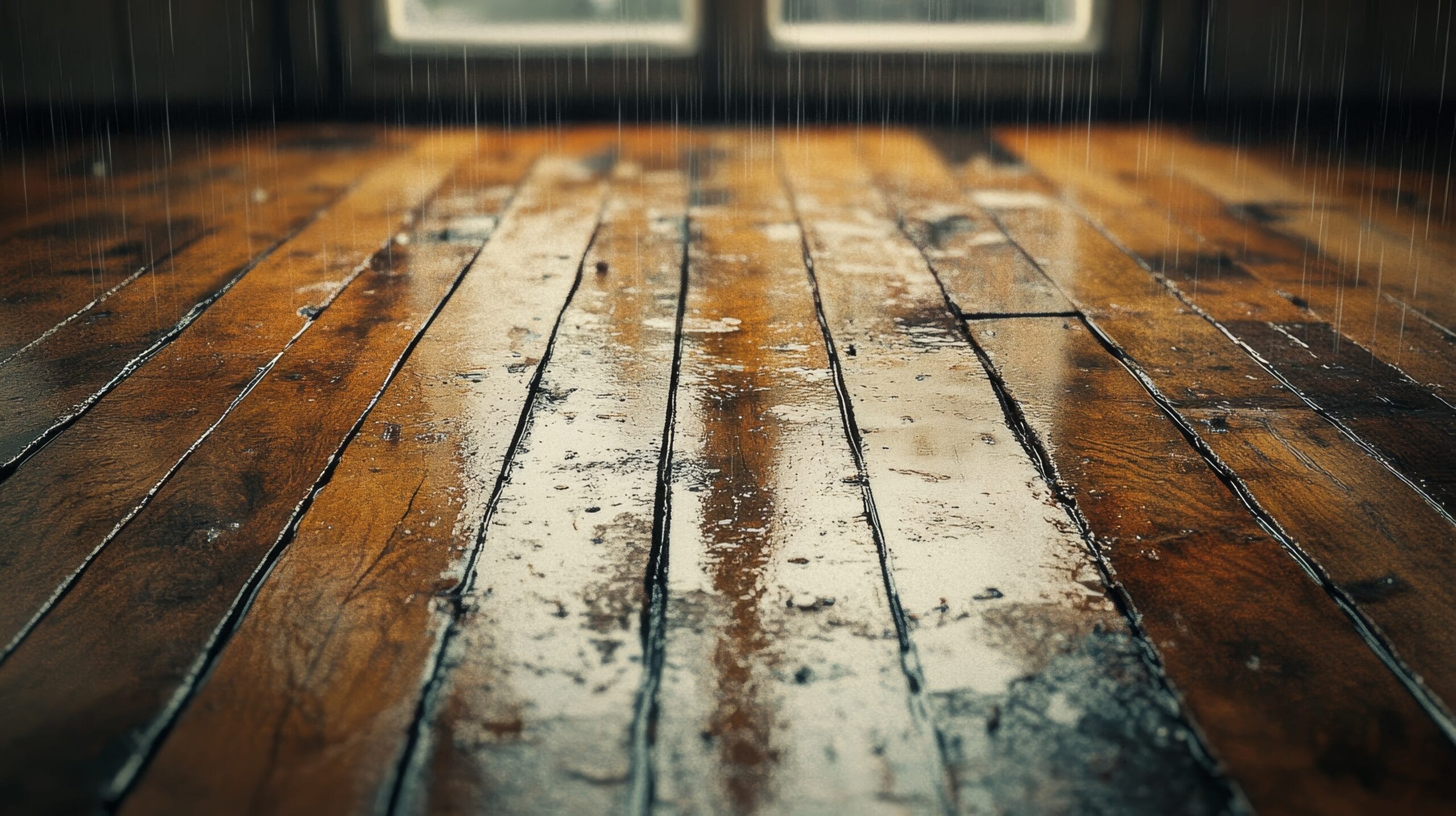
- Warped baseboards, cupping hardwood, or lifting vinyl
- New drafts or gaps around windows after a windstorm
- Damp carpet, dark pad edges, or a cold/wet feel underfoot
- Musty or earthy smells in closets, basements, or attics
After northern Utah storms, also check attic sheathing near roof penetrations, garage ceilings under flat roofs, and basement walls where snowmelt or poor drainage pushes water against the foundation.
How long does it take for water damage to cause mold?
Mold can begin growing on wet building materials in about 24-48 hours when moisture stays high. Cool outdoor temperatures do not guarantee safety indoors – damp insulation and wall cavities can stay wet long after the sky clears.
That clock is why drying and moisture readings matter as much as mopping visible puddles. If materials stay above safe moisture levels, odors and staining often show up days later.
Can water damage be hidden behind walls?
Yes. Water follows gravity and the path of least resistance. It can travel from a roof leak into exterior walls, ride plumbing chases, or pool under flooring without a dramatic drip in the middle of a room.
Hidden damage often shows up later as a musty closet, a soft spot under carpet, or a stain that grows after a second storm. Moisture meters and thermal imaging help locate wet materials you cannot see – which is a core part of professional water damage restoration.
Not sure if you have water damage? CDS offers free assessments – call us. (801) 676-3500
Is it safe to stay in a home with water damage?
Small, clean water from a brief roof drip that is already drying may be manageable while you monitor the area. Leave rooms with standing water near electrical outlets, sewage contamination, collapsed ceilings, or strong chemical/mold odors until a professional evaluates safety.
If breakers trip, you smell burning, or floors feel unstable, get everyone out and call for help. Safety comes before cleanup.
When should I call a professional vs. dry it myself?
DIY fans and towels can help with a tiny, clean spill on a hard surface you can fully dry the same day. Call a professional if:
- Water reached drywall, insulation, or under flooring
- The source was storm water, roof runoff, or outdoor flooding
- More than a small area is wet, or you cannot find where water entered
- Odors or stains appear after you thought it was dry
- You need documentation for an insurance claim
Certified Disaster Services serves Salt Lake County, Utah County, Ogden, Tooele, and surrounding communities with 24/7 extraction, structural drying, and rebuild support after storm-related water losses.
Frequently asked questions
What should I check first after a Utah storm?
Start with the attic, ceilings under the roof line, window and door frames, basements or crawl spaces, and any room where you heard dripping during the storm. Then re-check 12-24 hours later for new stains.
Can wind-driven rain cause water damage without a roof hole?
Yes. Wind can push rain past flashing, under shingles, and through window seals. Wasatch Front wind events are a common cause of wet siding cavities and interior stains with no obvious missing shingle.
Does snowmelt count as storm-related water damage?
Often yes from a homeowner perspective. Rapid melt, ice dams, and saturated soil around foundations drive water into attics and basements even on sunny days after a storm cycle.
Will a dehumidifier alone fix wet walls?
A dehumidifier helps air moisture, but wet drywall and insulation may still need extraction, air movers, and meter-guided drying. Closing up damp materials can trap mold risk inside the wall.
Is storm water damage covered by insurance?
Many policies cover sudden storm-related water entering through a damaged roof or opening. Flood from rising groundwater or overflow may need separate coverage. Photograph everything and call your carrier early.
When should I call Certified Disaster Services?
Call if you see stains, soft materials, odors, or cannot confirm the structure is dry after a storm. We offer free assessments and 24/7 response – start at water damage restoration or dial (801) 676-3500.
Get peace of mind before small leaks become big repairs
Knowing whether your home has water damage after a storm comes down to visible signs, smell, and confirming hidden moisture is gone. Acting within the first day or two protects finishes and helps prevent mold.
If anything looks or smells wrong in your Salt Lake County or Utah County home, call Certified Disaster Services at (801) 676-3500 for a free assessment.


