

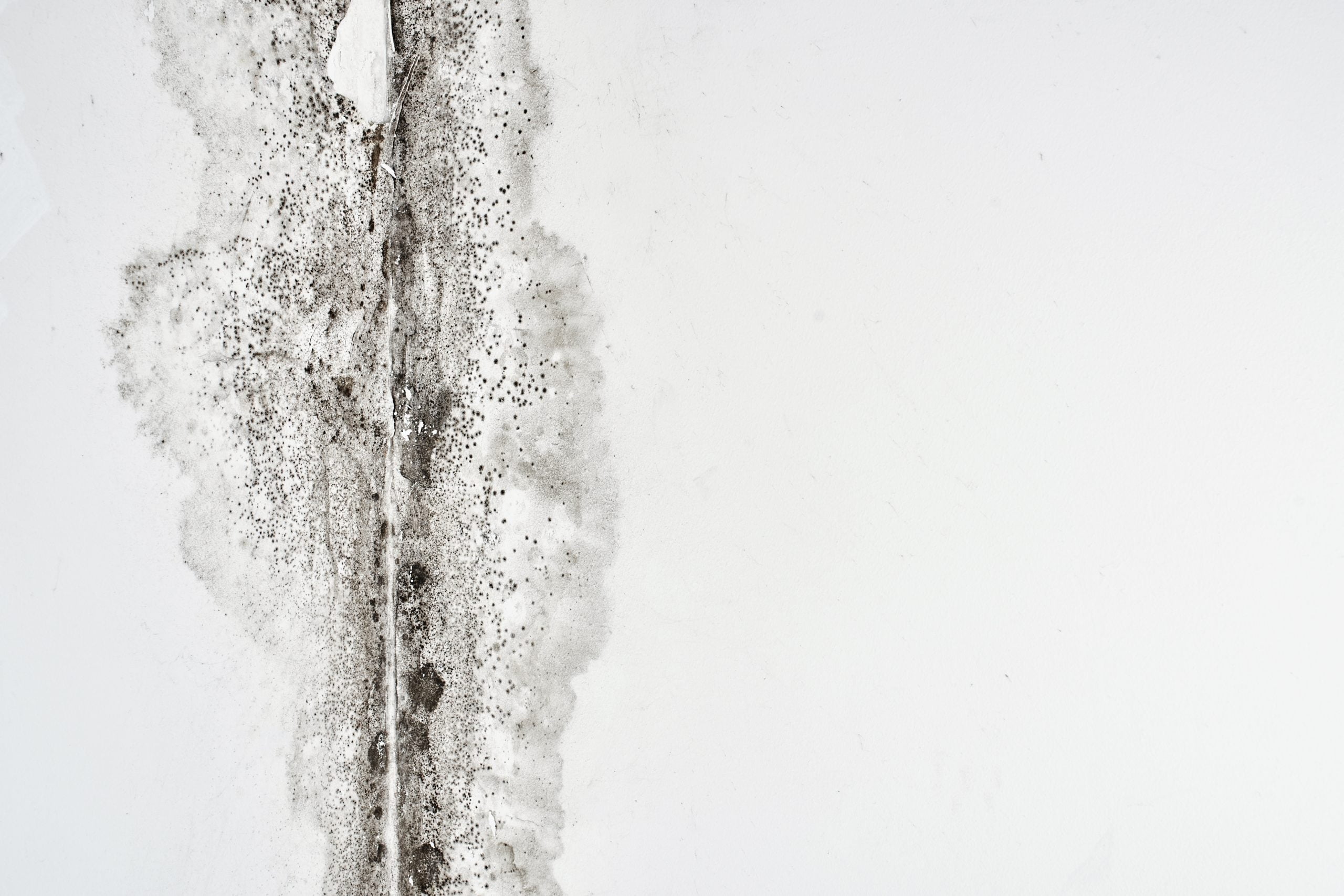
To prevent mold and mildew in storage containers, put only clean, completely dry items into airtight bins, add a moisture absorber, and keep the bins in a cool, low-humidity space. Check the containers and storage area periodically because trapped moisture, temperature swings, and unnoticed leaks can allow mold to grow even in sealed bins.
Last updated: July 30, 2026
1. How Do Moisture Absorbers Help Prevent Mold in Storage Bins?
Moisture is the primary cause of mold and mildew growth, and holiday decorations can be particularly vulnerable, especially when stored for extended periods. Adding moisture-absorbing desiccants to your storage bins is a simple way to control humidity and reduce mold risk.
What to Put in Storage Bins to Prevent Mold
- Silica Gel Packets: These small packets are commonly found in product packaging and are highly effective at absorbing moisture. Place a few packets at the bottom and top of each bin to keep your holiday decorations dry.
- Charcoal: Charcoal is a natural dehumidifier and works well in enclosed spaces. Wrap pieces of charcoal in a breathable cloth or cheesecloth to prevent dust, and place them in storage bins for long-lasting moisture control.
- Baking Soda: Known for its moisture-absorbing and odor-neutralizing properties, baking soda is an affordable solution. Simply fill a small container with baking soda and poke holes in the lid to let it absorb excess moisture.
Be sure to replace these desiccants periodically, especially if you’re storing decorations in a damp area. These moisture absorbers will become less effective over time and may need refreshing every few months.
2. What Type of Storage Container Helps Prevent Mold and Mildew?
Using the correct type of storage container is critical in preventing mold and mildew. Opt for airtight, high-quality plastic bins, as these are designed to keep moisture out and protect your belongings.
How to Prevent Mildew in Plastic Storage Containers
- Use Airtight Containers: Airtight bins with secure latches or rubber seals are the best choice for storing holiday decor, as they effectively prevent moisture from seeping in. Look for heavy-duty plastic bins labeled “airtight” or “weatherproof.”
- Avoid Cardboard: Cardboard boxes are prone to absorbing moisture, which can create a breeding ground for mold. Cardboard can break down and encourage mold growth, especially in damp storage environments like basements.
- Check for Cracks: Over time, plastic containers can become brittle and crack. Inspect your bins regularly to ensure they’re still intact and capable of providing a strong barrier against moisture.
When stored in an airtight container, your holiday decor will be better protected from humidity changes, ensuring that mold and mildew have little opportunity to develop.
Found mold beyond a storage bin? Certified Disaster Services provides professional mold remediation for Utah homes and businesses. Call (801) 676-3500 for help assessing and addressing the problem.
3. Where Should You Store Bins to Reduce Mold Risk?
The location of your storage bins has a significant impact on mold prevention. For many people, basements, attics, or garages are convenient storage spaces, but these areas can experience fluctuations in temperature and humidity, creating conditions that encourage mold growth.
How to Prevent Mold in a Storage Unit or Other Storage Areas
- Avoid Direct Contact with the Ground: Place storage bins on shelves or pallets instead of directly on the floor. This helps promote airflow and keeps bins away from any dampness on the ground, further preventing mildew.
- Control Humidity Levels: If possible, monitor and control the humidity levels in your storage area. Keeping humidity levels below 60% can significantly reduce the risk of mold growth. A small dehumidifier can be a useful addition, especially in damp areas.
- Choose a Temperature-Controlled Space: Extreme heat can cause plastic bins to warp and release moisture, while cold temperatures can lead to condensation. Ideally, store your holiday decor in a temperature-controlled area to maintain a stable environment.
Keeping decorations in a dry, cool space helps minimize moisture exposure and keeps your holiday items safe year-round.
4. How Should You Prepare Decorations Before Storage?
One of the most overlooked ways to prevent mold and mildew is by cleaning decorations before putting them away. Dust, dirt, and even a small amount of moisture can provide the perfect environment for mold to grow over time.
Steps for Preparing Decorations for Storage
- Dust and Wipe Down Items: Gently clean decorations with a microfiber cloth to remove dust and grime. Consider using a soft brush to avoid damaging any details for delicate items.
- Dry Completely: If you’ve used any cleaning solution, make sure all decorations are fully dry before storing them. Even a small amount of moisture can lead to mildew in an airtight container.
- Use Protective Wrapping: Wrap breakable items in tissue paper, bubble wrap, or cloth. Avoid newspaper or other paper products, as they can absorb moisture and encourage mold growth.
By taking a little extra time to clean and dry your decorations, you’ll be helping to protect them from damage caused by mold or mildew.
When Is Professional Mold Remediation Necessary?
If you’ve already encountered mold or mildew in your storage containers, it’s important to address the issue immediately to prevent it from spreading to other items. Start by removing any affected decorations and cleaning the storage bins thoroughly with a mixture of water and white vinegar to kill mold spores.
For significant mold issues or persistent humidity, consider consulting a professional. At Certified Disaster Services, we specialize in comprehensive Mold Removal, helping homeowners manage mold infestations safely and effectively. If you find mold growth has extended beyond storage containers and impacted other areas of your home, our experts can help with thorough remediation services.
How Can You Keep Holiday Decorations Mold-Free Long Term?
Preventing mold and mildew in your holiday decor storage bins doesn’t have to be complicated. By taking a few preventive steps – such as using moisture absorbers, choosing airtight containers, and storing items in a cool, dry space – you can safeguard your holiday decorations and enjoy them for years to come.
Frequently Asked Questions About Mold in Storage Containers
What should you put in storage bins to prevent mold?
Silica gel packets, activated charcoal, and properly contained baking soda can help absorb moisture inside a storage bin. Use these only after the items and container are completely dry, and follow the product instructions for replacement or recharging.
Can mold grow in an airtight storage container?
Yes. An airtight seal can trap moisture that was already on an item or inside the container. Clean and dry everything before sealing the bin, and inspect the container periodically for condensation, odors, or visible growth.
How often should you replace moisture absorbers in storage bins?
Replacement timing depends on the product and the humidity in the storage area. Check moisture absorbers every few months and replace or recharge them when they are saturated, damaged, or no longer working according to the manufacturer’s directions.
Does keeping storage bins off the floor help prevent mold?
Yes. Shelving or pallets improve airflow and reduce contact with damp concrete or minor floor leaks. Elevating bins also makes it easier to spot water intrusion before it affects stored items.
Can moldy decorations be cleaned and saved?
It depends on the material and the extent of the growth. Some hard, nonporous items may be cleaned and dried, while heavily affected porous items can be difficult to restore safely. Keep affected items separate until you know whether they can be cleaned or should be discarded.
When should you call a mold remediation professional?
Professional help is appropriate when mold has spread beyond a small isolated item, keeps returning, or follows a leak or other water damage. A remediation team can identify affected materials, contain the work area, and address the moisture source.
Need help with mold in your home or business? Learn about Certified Disaster Services’ mold remediation services or call (801) 676-3500 for 24/7 assistance.


