

Last Updated: May 2026
Mold season in Utah typically ramps up in spring (about April through early summer), when snowmelt, rain, and warmer indoor humidity wake up moisture left behind by dry winters. Homeowners across Utah County, Tooele County, and the Salt Lake Valley often notice musty smells or spots then – not because mold is new to Utah, but because conditions finally favor growth.
This guide explains when mold grows most here, what triggers spring outbreaks in Wasatch Front homes, how to spot a problem early, and when to call Certified Disaster Services for inspection and remediation.
When does mold grow most in Utah?
Mold can grow any time materials stay wet, but Utah’s peak risk often follows winter into spring. Cold months can hide damp basements, crawl spaces, and wall cavities. As outdoor temperatures rise and homes air out – or as swamp coolers start – humidity and condensation climb, and leftover moisture becomes active growth.
Late spring storms and rapid snowmelt add roof runoff and foundation seepage. If wet materials are not dried within about 24-48 hours, mold risk rises quickly.
What causes spring mold in Utah homes?
Common local drivers include:
- Snowmelt and spring rain pushing water against foundations and into unfinished basements
- Roof leaks, ice-dam aftermath, and wind-driven rain along the Wasatch Front
- Swamp cooler startup – seasonal evaporative cooling that raises indoor humidity if ducts or pads are dirty or poorly maintained
- Condensation on cold windows and pipes as outdoor/indoor temperature gaps shift
- Slow plumbing leaks that went unnoticed while windows stayed closed all winter
Utah County and Tooele County homes with basements or slab-on-grade edge sealing issues see these patterns every spring. Fixing the moisture source matters as much as cleaning what you can see.
How do you know if you have a mold problem?
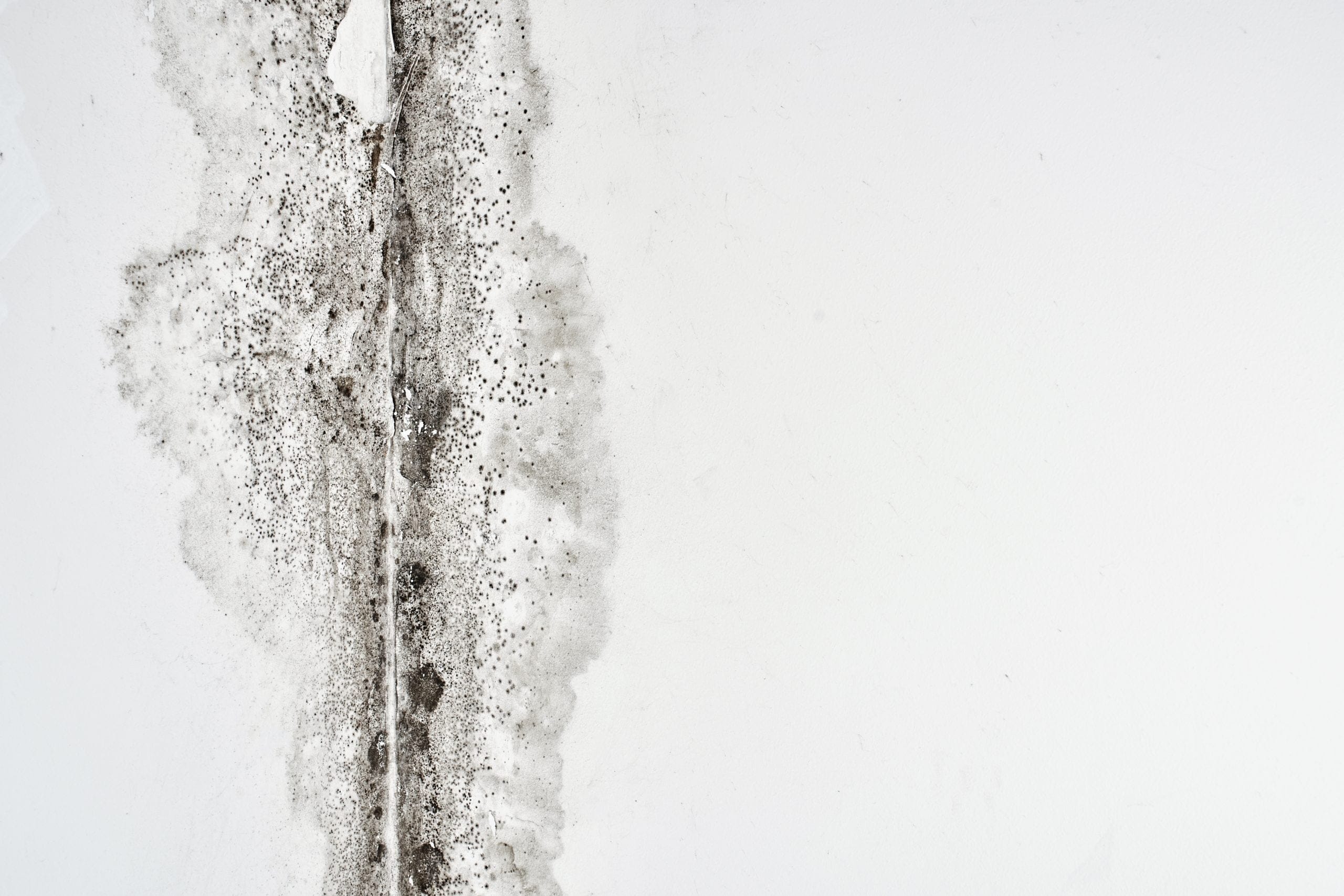
Watch for musty or earthy odors, fuzzy or discolored patches on drywall or wood, dark staining in closets and bathrooms, soft or crumbling materials, and allergy-like symptoms that ease when you leave the house. Attics, basements, behind furniture on exterior walls, and around windows are frequent spring hotspots.
Not every stain is mold, and not every musty smell is a crisis – but recurring odor after rain or swamp cooler use is a reason to inspect, not wait for summer.
Concerned about spring mold? Get a free inspection from CDS. Call (801) 676-3500.
What should I do if I find mold in my home?
Stop the moisture source if you can do so safely, avoid spreading spores with aggressive dry brushing, and skip painting over active growth. Small spots on hard, non-porous surfaces may be cleanable, but porous drywall, insulation, and repeated basement outbreaks usually need professional remediation.
Certified Disaster Services provides containment, removal or detailed cleaning, structural drying, and guidance on preventing return. Learn more on our mold remediation page.
Does homeowners insurance cover mold remediation in Utah?
Coverage depends on the cause and your policy. Mold that follows a sudden covered water event (like a burst pipe or storm-related intrusion) is more often considered than long-term neglected leaks or high humidity alone. Document what you see, call your carrier early, and ask about moisture reports – we can help with assessment photos and readings.
Frequently asked questions
Is mold season only a spring problem in Utah?
Spring is the common peak, but mold grows whenever moisture persists – including after summer monsoon-style storms, swamp cooler issues, or winter pipe breaks.
Do swamp coolers cause mold?
They can contribute when they raise indoor humidity, leak, or push moist air into dirty ducts. Seasonal maintenance and humidity monitoring help reduce risk.
Can dry Utah air prevent mold?
Outdoor dryness helps overall, but indoor leaks, basements, and bathrooms still create local wet zones. Mold only needs a damp material – not humid outdoor weather.
Should I run a dehumidifier in spring?
Often yes in basements and tightly sealed homes, especially during melt and rainy stretches. A dehumidifier helps air moisture but does not replace fixing leaks or drying wet building materials.
When is DIY mold cleaning not enough?
Call a pro for growth larger than a small patch, mold in HVAC systems, wet insulation or drywall, sewage-related water, or any situation where the source is unclear.
Does CDS serve Utah County and Tooele County for mold?
Yes. We inspect and remediate mold across Utah County, Tooele County, the Salt Lake Valley, Ogden, and surrounding communities. Call (801) 676-3500 for a free inspection.
Get ahead of spring mold before it spreads
Mold season in Utah is really moisture season – spring melt, storms, and humidity shifts create the conditions growth needs. Catching odors and damp materials early keeps a seasonal issue from becoming a rebuild.
If you are seeing signs in your Utah County or Tooele County home, contact Certified Disaster Services at (801) 676-3500 or visit our mold remediation service page.


