

Last Updated: May 2026
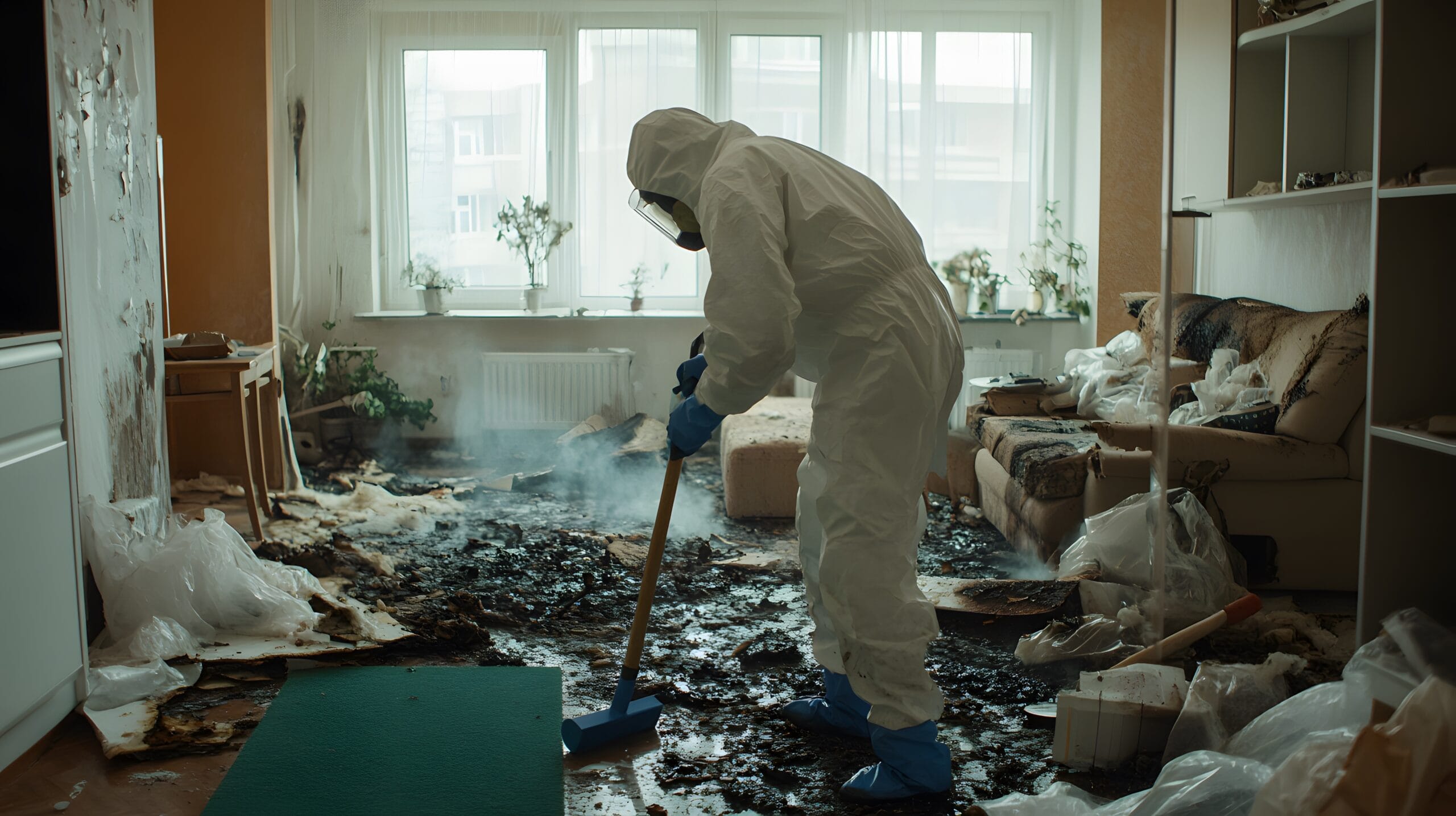
After the fire trucks leave, fire damage restoration begins with making the property safe, documenting damage for insurance, removing soot and smoke residue, drying water from firefighting, and rebuilding what cannot be cleaned. Certified Disaster Services handles that full process for homeowners across Utah County – including Provo, Spanish Fork, Orem, and nearby communities – so you are not left guessing what comes next.
The hours and days after a house fire are chaotic. This guide walks through the real post-fire sequence, how long restoration usually takes, what insurance commonly covers in Utah, and how to choose a local crew that can respond fast.
What are the first steps after a house fire?
Only re-enter when the fire department says it is safe. Then focus on protection and documentation before deep cleaning:
- Call your insurance carrier and ask what photos, inventory, and mitigation steps they need
- Board up openings and tarp damaged roof areas so weather and trespassers cannot make things worse
- Photograph rooms, contents, and exterior damage before anything is moved
- Contact a fire damage restoration company for emergency board-up, water extraction, and a written scope
- Avoid DIY soot scrubbing on porous materials – wiping the wrong way can grind residue deeper
Firefighting often leaves standing water or soaked insulation. That moisture can start mold growth within 24-48 hours, which is why drying belongs in the early plan alongside smoke cleanup. If secondary mold is already a concern, see our mold remediation page.
How long does fire damage restoration take?
Timelines vary with how much of the structure burned, how far smoke traveled, and how much rebuild is required. A contained kitchen fire may move from mitigation to rebuild in a few weeks. A multi-room or whole-house loss can take longer once demolition, drying, content cleaning, and reconstruction are sequenced.
A typical Certified Disaster Services workflow looks like this:
- Inspection and damage assessment
- Board-up and roof protection
- Contents pack-out for cleaning when needed
- Water removal and structural drying
- Smoke and soot cleaning / deodorization
- Reconstruction and finishing
Your project manager should give moisture goals, cleaning methods, and rebuild milestones in writing so Provo or Spanish Fork adjusters and homeowners stay aligned.
Does insurance cover fire damage restoration in Utah?
Most standard homeowners policies cover sudden fire and smoke damage to the dwelling and personal property, plus reasonable emergency mitigation like board-up and drying. Coverage still depends on your limits, deductible, endorsements, and the cause of loss – so confirm details with your carrier.
We document scope, photos, and moisture readings to support claims and can communicate with adjusters while emergency work protects the home. Do not wait on paperwork to stop secondary damage; mitigation and claim documentation can run in parallel.
Dealing with fire damage in Utah County? CDS responds fast – call 24/7. Reach us at (801) 676-3500.
Why does response time matter after a fire?
Smoke residue is acidic and keeps etching metals, staining surfaces, and locking odor into drywall, insulation, and textiles the longer it sits. Water from hoses and sprinklers migrates into cavities. Unsecured openings invite weather and theft.
Fast response in Utah County matters because evening temperature swings and spring windstorms can push rain or meltwater into a compromised roof overnight. Getting board-up, drying, and soot removal started quickly usually shortens rebuild time and reduces what has to be replaced.
How do I choose a fire damage restoration company in Utah County?
Look for a team that can do emergency mitigation and full rebuild – not only odor spray or demo. Ask whether they offer 24/7 board-up, content cleaning, structural drying, and reconstruction, and whether they regularly work claims in Provo, Orem, Spanish Fork, and the rest of Utah County.
Certified Disaster Services is a local restoration company serving Utah County and the Wasatch Front with fire and smoke cleanup, deodorization, and rebuild services. Review our process on the fire damage restoration page, then call if you need a crew on site tonight.
Frequently asked questions
What should I do immediately after firefighters leave?
Confirm the home is safe to enter, call your insurer, photograph damage, and contact a restoration company for board-up and mitigation. Do not start heavy cleaning until documentation and a professional scope are underway.
Is smoke damage different from fire damage?
Yes. Fire damage is direct burn and heat damage. Smoke damage is soot, odor, and residue that can affect rooms that never caught fire – including HVAC paths and contents.
Will my home smell like smoke forever without professional cleaning?
It can. Porous materials hold odor at a molecular level. Professional cleaning and equipment such as hydroxyl or ozone treatments (used appropriately) are often required to fully clear smoke smell.
Does firefighting water cause mold after a house fire?
It can if wet materials are not dried quickly. Extraction, drying, and moisture monitoring should be part of fire restoration so Utah County homes do not trade smoke problems for mold problems.
Can CDS help with kitchen fires and larger losses?
Yes. We handle kitchen fires, electrical and furnace-related losses, and larger structural fires – from emergency board-up through cleaning and rebuild.
Do you serve Provo, Spanish Fork, and Orem?
Yes. Certified Disaster Services responds to fire and smoke damage throughout Utah County and surrounding communities. Call (801) 676-3500 for 24/7 help.
When the trucks leave, you still have a team
Fire damage restoration after the emergency response is about securing the property, stopping secondary damage, clearing smoke and soot, and rebuilding with clear documentation for insurance. Utah County homeowners in Provo, Spanish Fork, Orem, and nearby cities do not have to navigate that alone.
Call Certified Disaster Services at (801) 676-3500 or start with our fire damage restoration service page to get a fast local assessment.


