

Last Updated: June 2026
Yes, mold can come back after remediation if the moisture source that fed it is still present. Proper mold remediation removes contaminated materials and corrects the root cause so humidity, leaks, or lingering dampness cannot restart growth.
That honest answer matters for Utah homeowners. Dry winters can hide damp wall cavities and basements, then spring thaw and summer humidity wake the problem back up. This guide explains why mold returns, how real remediation differs from a surface wipe-down, and when to call Certified Disaster Services for a follow-up inspection.
Why does mold come back after remediation?
Mold needs three things: spores (already in most homes), a food source (drywall paper, wood, dust), and moisture. Remediation can remove visible colonies and contaminated materials, but if water keeps entering the structure – or if materials never dry to a safe moisture level – growth can restart in days or weeks.
Common reasons mold returns:
- The original leak, seepage, or humidity problem was never fixed
- Drying stopped before studs, insulation, or subfloors reached target moisture readings
- Only the surface was cleaned while mold remained behind paint, baseboards, or vinyl
- Contents or HVAC systems that held spores were put back into a still-damp space
In Utah, meltwater from ice dams, roof leaks after wind events, and unfinished basement humidity are frequent triggers. If those moisture paths stay open, even a thorough cleanup can look temporary.
What’s the difference between mold removal and mold remediation?
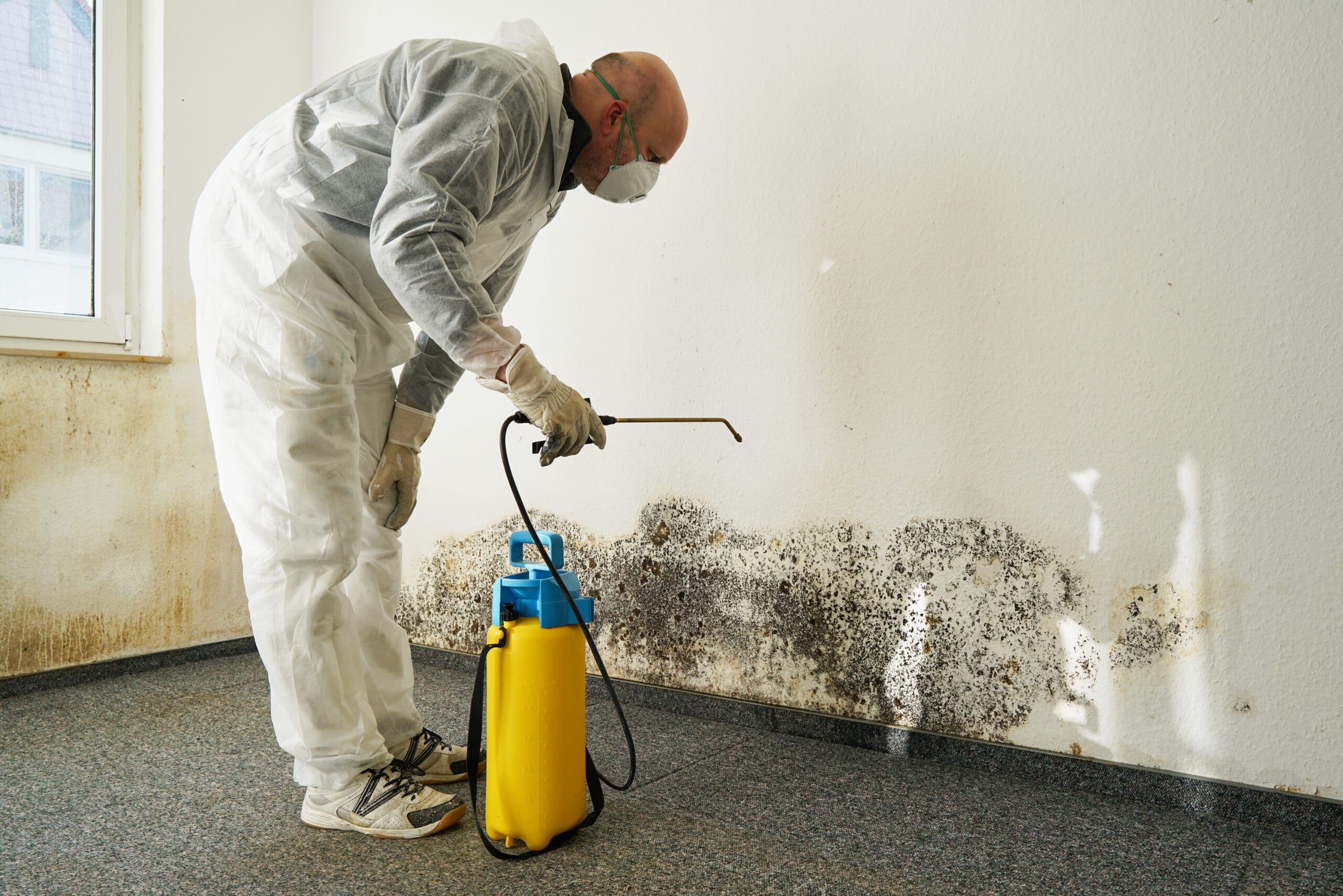
“Mold removal” usually means scrubbing or spraying what you can see. “Mold remediation” means containing the work area, removing or cleaning materials to industry standards, drying the structure, and addressing why moisture was there in the first place.
Surface cleaning alone often fails because porous materials hold mold roots and because the water source remains. Remediation focuses on both the colony and the conditions that allowed it. Learn more about how Certified Disaster Services approaches the full process on our mold remediation page.
How do you prevent mold from returning?
Prevention starts with moisture control:
- Repair roof, plumbing, foundation, and window leaks promptly
- Dry wet materials within 24-48 hours after any water event
- Use dehumidifiers in basements and crawl spaces when humidity stays high
- Keep gutters clear and grade soil away from the foundation
- Run exhaust fans in bathrooms and kitchens, and fix condensation on cold windows
- After a flood or pipe break, complete professional drying before rebuild – see our water damage restoration process
Worried your mold is coming back? Get a free inspection from CDS. Call (801) 676-3500 anytime – we respond across the Salt Lake Valley, Utah County, Ogden, Tooele, and surrounding communities.
How do I know if my mold remediation was done correctly?
A complete job usually includes containment (so spores do not spread), removal or detailed cleaning of affected materials, HEPA vacuuming, and documented moisture readings that show the structure is dry enough to rebuild or close up. You should also get a clear explanation of the moisture source and what was repaired.
Red flags include: no moisture meter documentation, paint or bleach over still-damp walls, skipped containment on larger jobs, or no plan for the leak that started the problem. If your prior vendor left any of those gaps, a second opinion is reasonable.
When should I get a follow-up mold inspection?
Schedule a follow-up if you notice musty odors returning, new staining, soft or discolored drywall, allergy-like symptoms that improve when you leave the home, or if another water event hits the same area. Also inspect before selling or finishing a basement if mold work was done years ago and moisture issues were never fully solved.
Utah’s seasonal swing – cold, dry air in winter and higher indoor humidity when homes are sealed or when spring melt raises groundwater – makes follow-up especially useful after unfinished remediation or DIY cleanups.
Frequently asked questions
Does mold always come back after remediation?
No. When moisture is controlled and affected materials are properly removed or cleaned and dried, mold should not return in that area. Recurrence almost always means moisture returned or drying was incomplete.
Can bleach permanently stop mold on drywall?
Bleach can change the look of surface mold on non-porous materials, but it does not reliably remediate porous drywall and does not fix the moisture source. Contaminated drywall often needs removal, not a wipe-down.
How soon can mold grow again after a water leak?
Under the right conditions, mold can begin growing within about 24-48 hours on wet building materials. Fast extraction and drying after water damage is the best prevention.
Is dead mold still a problem?
Inactive mold spores and residue can still irritate sensitive people and signal that conditions were once wet enough for growth. Materials that cannot be cleaned to a safe standard should be removed, and the area should be dried and sealed correctly.
Will fixing the leak alone remove existing mold?
Stopping the leak is required, but existing contamination usually still needs remediation. Fixing moisture without cleaning or removing affected materials can leave residues and odors behind.
Does homeowners insurance cover mold remediation in Utah?
Coverage depends on the cause and your policy. Sudden water events that lead to mold are more often considered than long-term neglected leaks. Document damage early and confirm coverage with your carrier; we can help with moisture reports and photos for claims.
When should I call Certified Disaster Services?
Call if you smell mustiness after a prior cleanup, see new growth, had a recent water loss, or want confirmation that an older remediation held. We provide inspections and full mold remediation across Utah – start at mold remediation or call (801) 676-3500.
Get clarity before mold spreads again
Mold can return after remediation when moisture remains – but it does not have to. Address the water source, dry the structure to measured targets, and remediate contaminated materials the right way.
Certified Disaster Services responds 24/7 for mold and water damage across Utah. Call (801) 676-3500 for a free inspection, or review our mold remediation and water damage restoration services to see how we stop the cycle.


