

Soot tags or soot webs (as they are sometimes called) might look like huge spider webs, but they are not.
They are usually found in corners of the home after a fire outbreak.
Fire outbreaks in the home have been an issue of concern in the past years, with over 1.3 million fire incidents reported in 2015.
This is why the Unified Fire Authority put together these tips for preventing fire incidents in your home.
You might have questions like what soot tags are, how they are formed, how they can be removed, etc.
Keep reading to find out.
What Are Soot Tags?
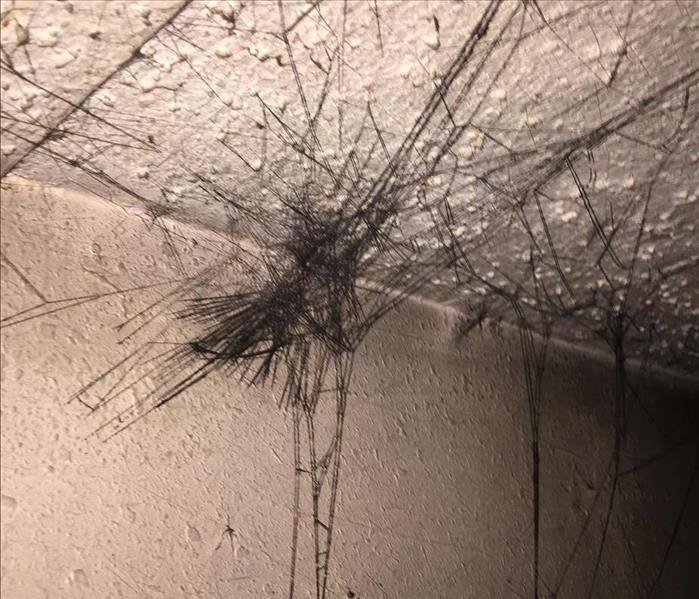
Soot tags are black thread-like strings usually found on walls and ceilings after a fire outbreak.
These are particles left from the incomplete burning of wood, petroleum, oil, etc.
How Do Soot Tags Form?
They form when air circulation moves soot particles around.
During a fire, there is low air circulation, and as the soot from the fire starts to cool and seek an atmospheric equilibrium, the soot then floats and gathers into cooler areas.
Afterward, they attach themselves to the corners of the home, like the meeting point of the wall and ceiling.
When these soots come together, they create a chain that forms soot tags.
What Are Soot Tags Made Of?
They are made of smoke and soot, which are fire or burn residues.
You might think they are made of spider webs covered in soot, but they have nothing to do with spiders.
These black powdery substances called soot are formed during the incomplete combustion of coal, oil, or wood.
This means soot tags are made from residues of incompletely burned substances.
Are They Dangerous?
No, they are not.
But they can threaten your health if you inhale the residue when trying to remove the soots from your home without proper equipment or expertise.
You can easily ingest soot particles through your eyes or skin when they float around because they are small and invisible to the eye.
Also, when inhaled, they can cause breathing issues like asthma or heart diseases.
This is why it is advisable to seek professional help when getting rid of soot tags.
How To Clean Soot Tags
You can remove them from your home in different ways. But it is best to start by sucking up soots with a vacuum and then cleaning sticky soots with a clean rag, water, and vinegar.
How To Clean With A Vacuum
First, wear a mask to protect yourself from inhaling soot residues, then wear protective gloves, overall, and glasses for your hands, skin, and eyes.
Open windows for ventilation and use a vacuum to suck them up slowly so that they won’t smear on furniture or around the house.
How To Clean With Vinegar
To clean with vinegar, mix warm water and vinegar in a bucket, then dip a clean rag or sponge into the bucket and wipe the walls, ceilings, and other areas affected gently.
Scrub With Sponge and Soap
For strong and sticky soot tags on walls and ceilings, scrub with a dry cleaning sponge, degreaser, and liquid dishwashing soap.
Contact us
You can easily remove soot tags if they cover a small portion of your home, but if they cover a larger part of your home, you need trained and experienced professionals for the job.
With our professional equipment and gears, you can be assured of a total cleanup and renewal of your space without detriment to your health or well-being.
